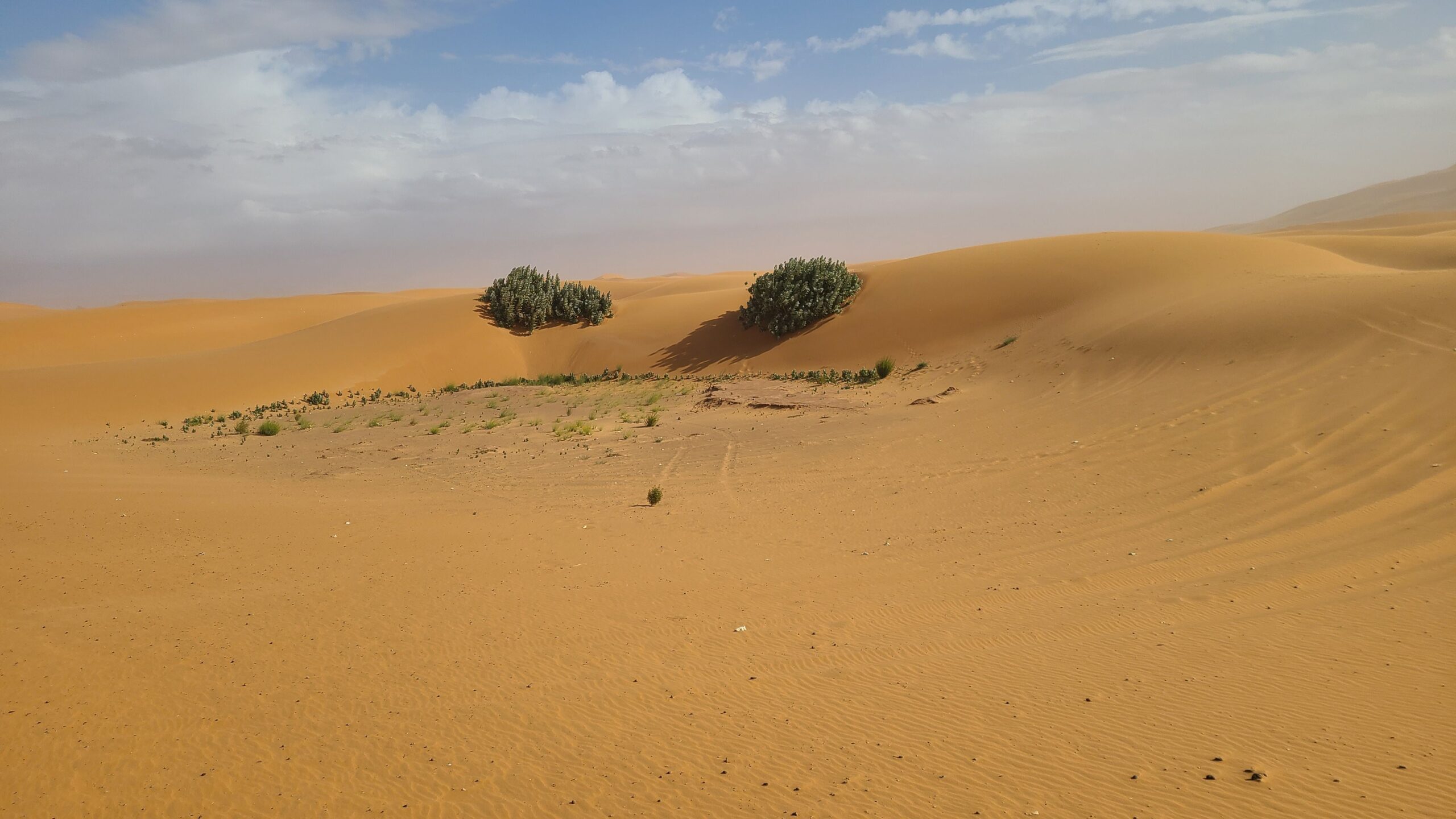
Morocco Series Part 4: Merzouga, Erg Chebbi, Camel Rides, Desert Camps & Sahara Sunrises
Sahara — One of the Main Reasons We Came to Morocco
Start with Part 1 — Practical Morocco Guide. Continue with Part 2 — Rabat & Tangier. Read Part 3 — Chefchaouen, Volubilis & Fes
Our next destination was one of the main reasons to go to Morocco — the Sahara Desert.
It’s a long drive from Fes to Merzouga, the gateway to the Sahara. It’s about 440 km, and with stops, it takes a full day to reach Erfoud, which sits close to Merzouga. Along the way, we enjoyed beautiful views of the High Atlas Mountains, and as we approached the desert, we began to see oases scattered across the landscape.
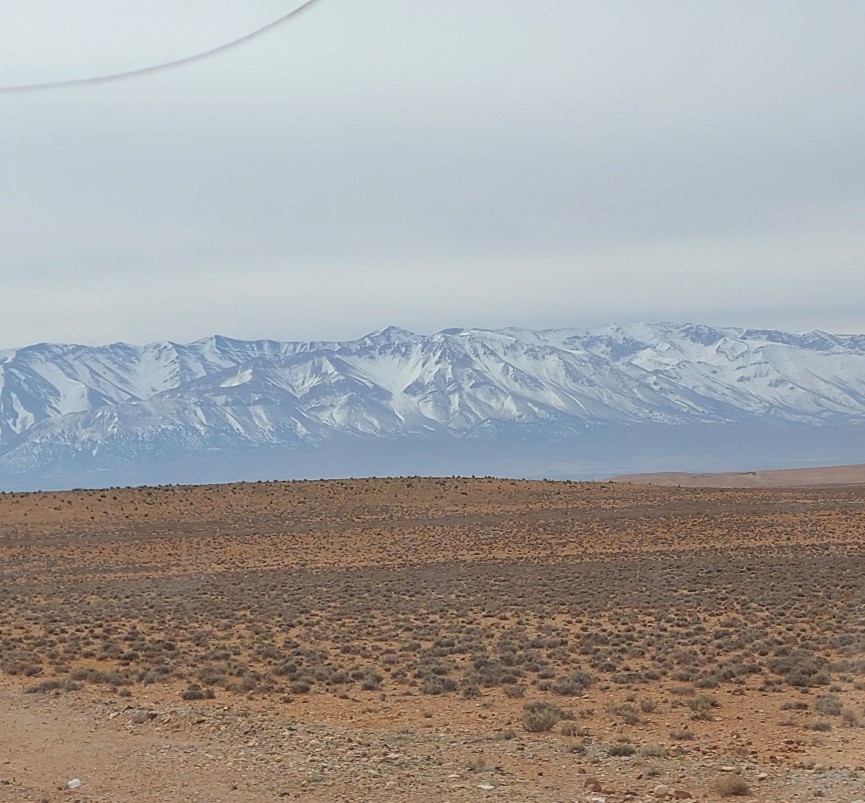
High Atlas Mountains
We spent the night at La Rose du Desert, a small riad in Erfoud. The following day, we relaxed by the pool before the short drive to Merzouga. Unfortunately, the weather wasn’t warm enough for a swim.
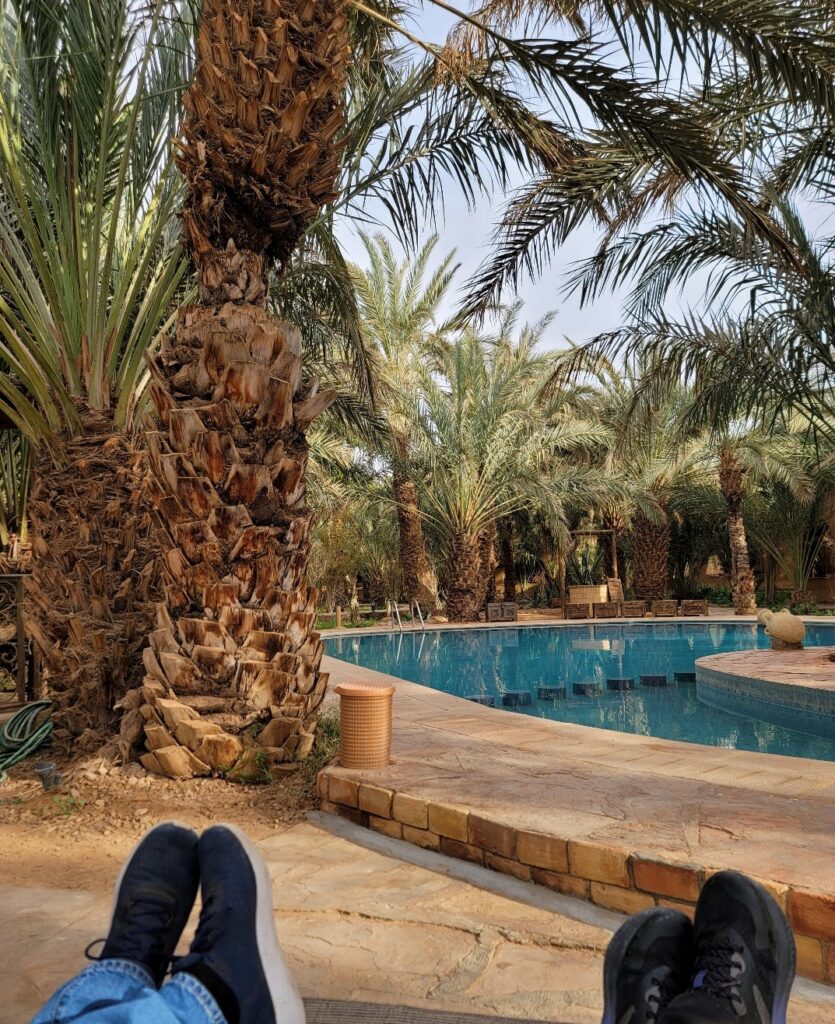
La Rose du Desert — a nice small riad in Erfoud with a nice pool, but not the weather to enjoy it.
First Impressions — Sahara as a State of Mind
Despite the huge temperature difference, the Sahara reminded me of Antarctica. It’s not just a place — it’s a state of mind. Quiet and majestic. Harsh and beautiful. Serene and powerful. It’s an unforgettable experience that stays with you not only in thought, but in feeling.
We arrived in Merzouga around noon, took a stroll through the town (which doesn’t have much to offer), and were then taken by truck to meet the camels that would take us to our camp in Erg Chebbi.
I’ll be the first to admit that riding a camel in the desert is very touristy.
It is also the correct way to start your Sahara experience.
We left most of our luggage at a hotel in Merzouga and took only what we needed for the night in the desert.
How Many Nights in the Sahara?
There are various packages for tourists who want to spend time between the dunes.
One night is enough unless you want to climb dunes or drive an ATV/quad bike — which we did want to do once we arrived, but didn’t think about when booking.
Planning mistakes? Yes. Even we make them.
The Camel Ride — Beautiful, Windy, and Mildly Torturous
It had rained the previous night (yes, it rains in the Sahara!), and the weather wasn’t great: cloudy, around 20°C (68°F), and very windy.
If you’ve never ridden a camel in the desert, here’s an accurate and biased description:
Sand blown into your face + camel movement = not a spa treatment.
You’ll prefer the last row of economy class during turbulence.
But the landscape is so spectacular that you forget the discomfort — most of the time.

Ready to gallop in the desert… not really
Toxic Beauty — Calotropis Procera
On our way, we saw many bushes of Calotropis procera, a plant that thrives in hot, dry climates with sandy soil. The flowers are pretty, but the plant is toxic — especially for humans. For those interested in the medical profession, you should know that it contains cardenolide glycosides, which have digoxin‑like effects causing severe cardiotoxicity. It can also cause gastrointestinal, cutaneous and ocular toxicity
The sap is the most toxic Even camels avoid it unless they’re desperate. It rained the previous night and the plants were happy
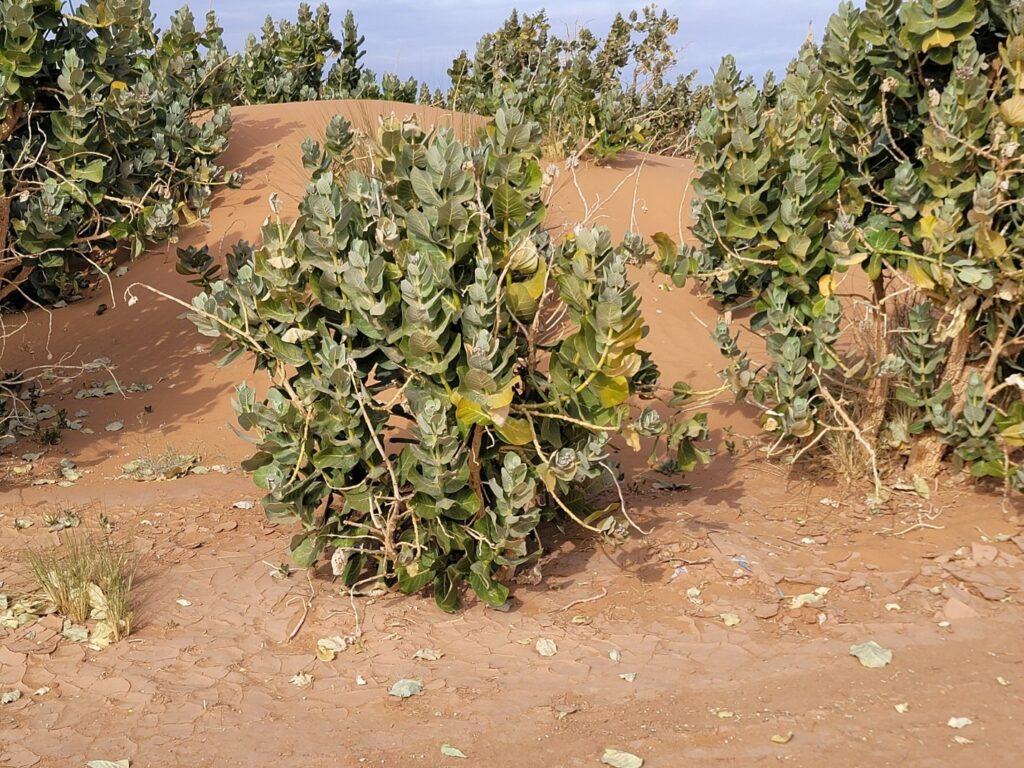
It rained the previous night and the plants were happy
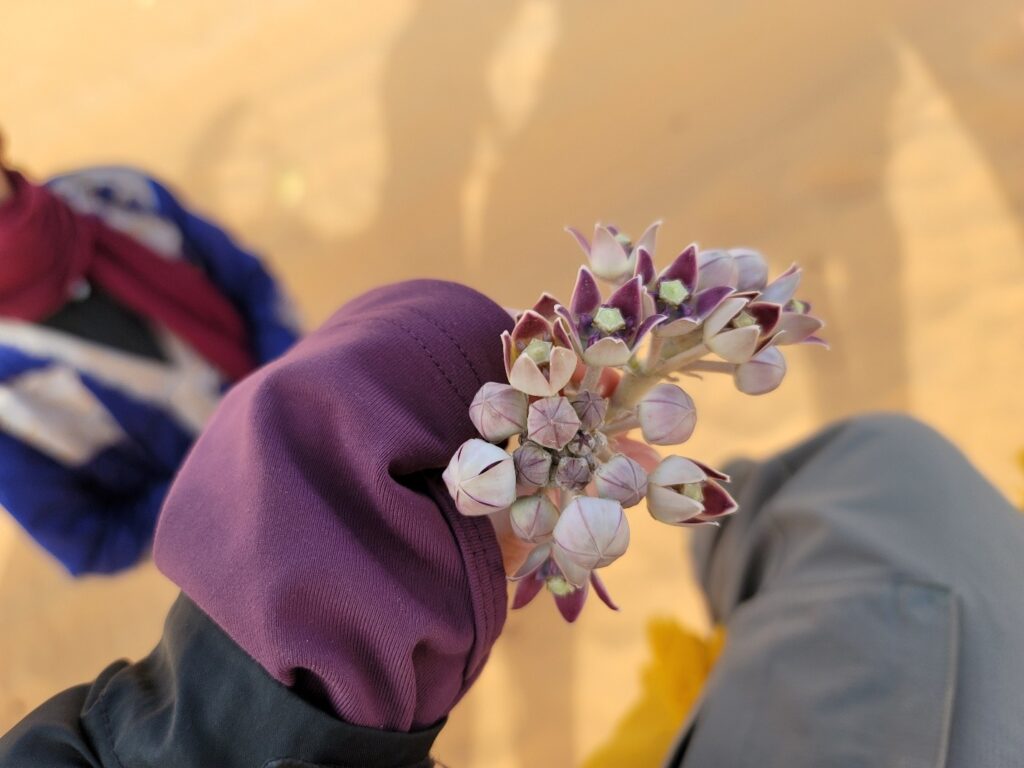
Beware of touching the flowers of Calotropis procera
Madu Luxury Camp — Comfort in the Middle of the Desert
It took about an hour to reach the camp. We were welcomed with cookies and tea (as in most Moroccan hotels). The staff shared stories about their lives and culture.
We stayed at Madu Luxury Camp. The tents are spacious, heated, and have private bathrooms with warm showers. The beds are excellent.
To those asking, “But what about the authentic experience?”
Sleeping on the ground in a sleeping bag and skipping a shower is not my idea of authenticity.
In the late afternoon, the weather improved, the wind calmed, and we could finally enjoy the serenity of this incredible place.
The sunset was beautiful.
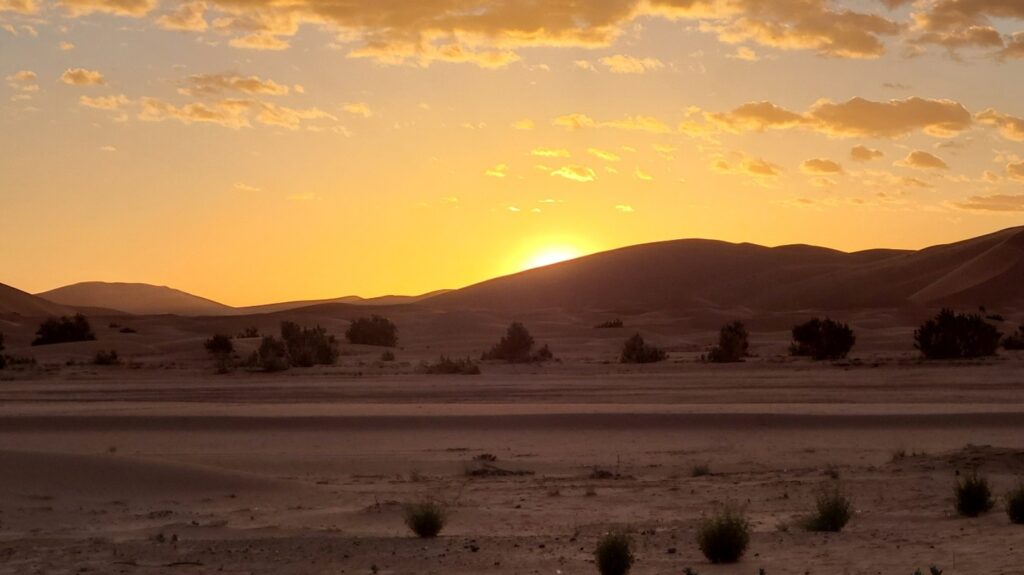
Sunset in the Sahara
Dinner, Music & a Cold Night Under the Stars
It gets cold at night in the Sahara, so we wore warm coats to dinner.
We started with Harira, a traditional Moroccan soup made with tomatoes, lentils, chickpeas, lamb, and warm spices. Tasty and perfect for a cold desert night.
The main course was grilled meat and French fries — simple and good. Show me the human being who would say no to French fries
After dinner, we stopped by a bonfire to listen to live Berber percussion music.
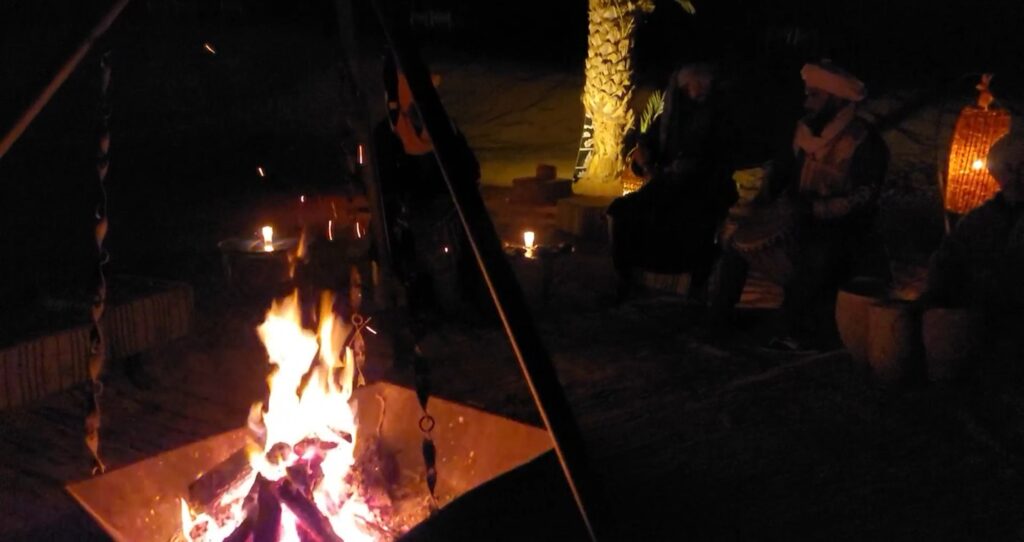
A group of percussionists performing Berber music in Sahara
We woke up early in the morning to catch the sun rise from behind the dunes. Another unforgettable spectacle that Sahara offers.
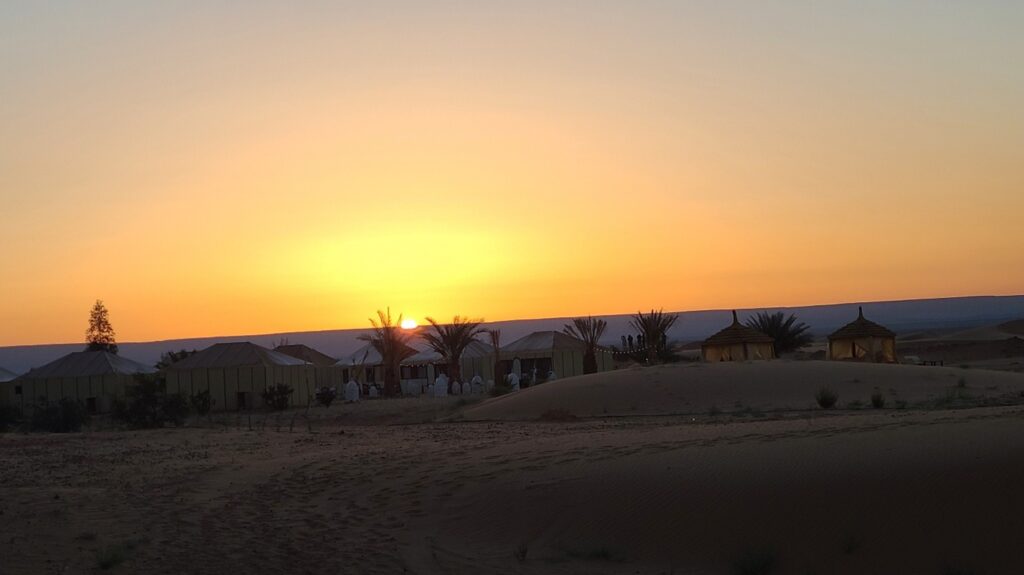
Sunrise over the Sahara. Looks similar to the sunset, but when you’re there, it’s very different.
After breakfast, we said goodbye to the desert and returned to Merzouga.
Highlights
- Merzouga & Erg Chebbi — The perfect gateway to the Sahara.
- Camel Ride Experience — Windy, sandy, uncomfortable, iconic.
- Calotropis Procera — A plant that looks adorable but could probably kill you faster than your travel insurance can say “pre‑existing condition”.
- Madu Luxury Camp — Comfortable tents with heat and private bathrooms. Because “authentic desert experience” does not have to mean sleeping on rocks and smelling like regret.
- Sahara Sunset & Sunrise — Two of the most beautiful moments in Morocco.
- Harira & Berber Music — Warm food and warm rhythms on a cold night.
FAQ — Sahara, Merzouga & Erg Chebbi
Is one night in the Sahara enough?
Yes — unless you want to add dune climbing or ATV adventures.
Is riding a camel uncomfortable?
Yes. But worth it for the experience and views.
Where is the best place to stay in the Sahara?
Merzouga is the main gateway, with many desert camps (such as Madu Luxury Camp) in Erg Chebbi.
Does it rain in the Sahara?
Occasionally — and when it does, the desert is different from what you’d expect.
Next: Part 5 – Dades, Ait Benhaddou, Tafraoute: Pizza, Saffron, and a Shower That Tried to Kill Us→