
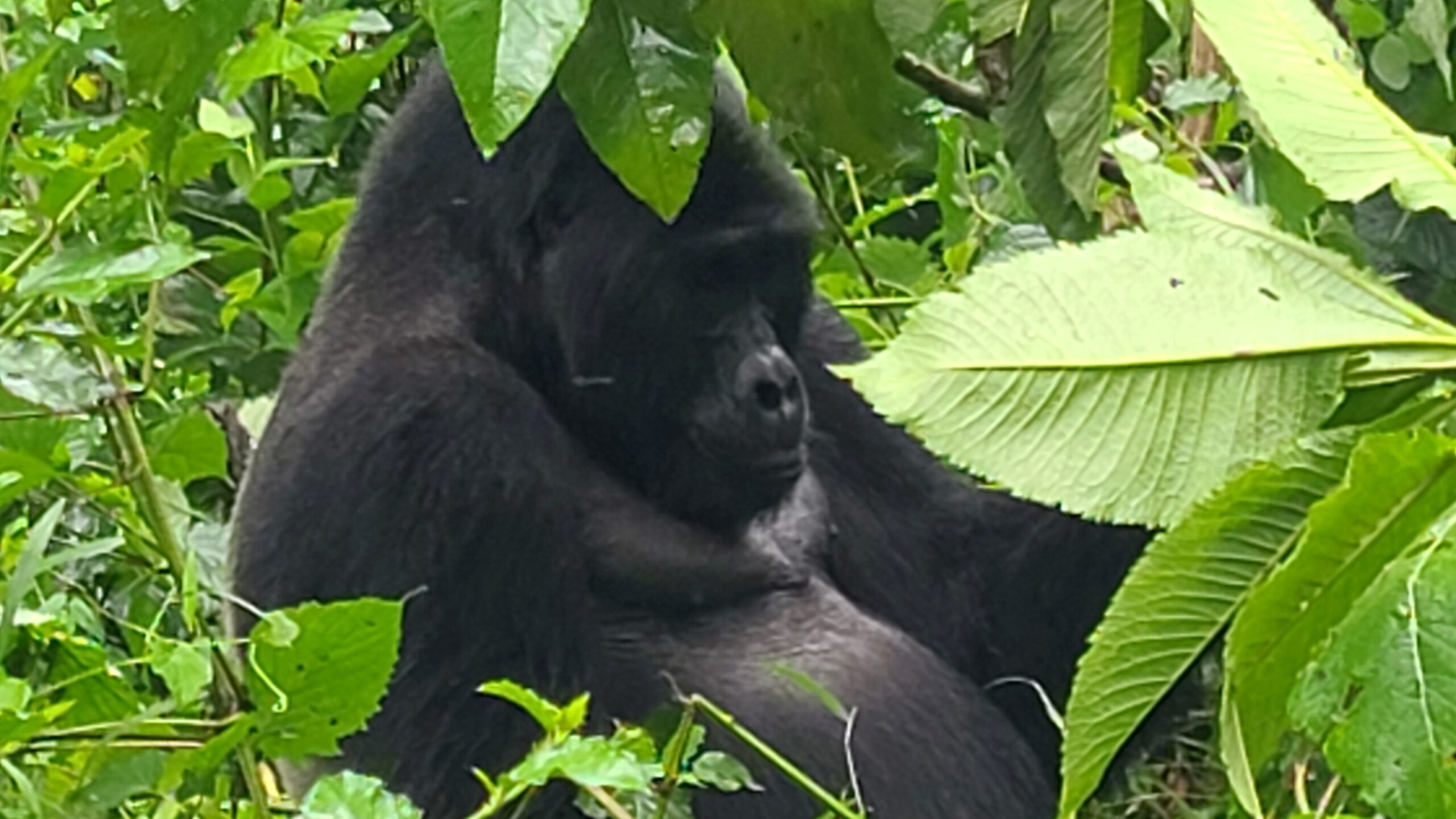
Uganda Series Part 6: Mud, Muscles, and Majestic Beasts
Saving the Best for Last (Because Dessert Logic Applies to Gorillas Too)
Ever since I was a small child, I’ve been a devout follower of the French saying garder pour la bonne bouche—“save the best for last.” Originally meant for dessert, I’ve generously applied it to life’s finer experiences.
So naturally, we saved our mountain gorilla tracking adventure in Bwindi Impenetrable National Park for the end of our trip. Because nothing says “grand finale” like trekking through dense rainforest to meet creatures who could bench‑press your entire hiking group without breaking a sweat.
The Scenic (and Not‑So‑Speedy) Drive to Bwindi
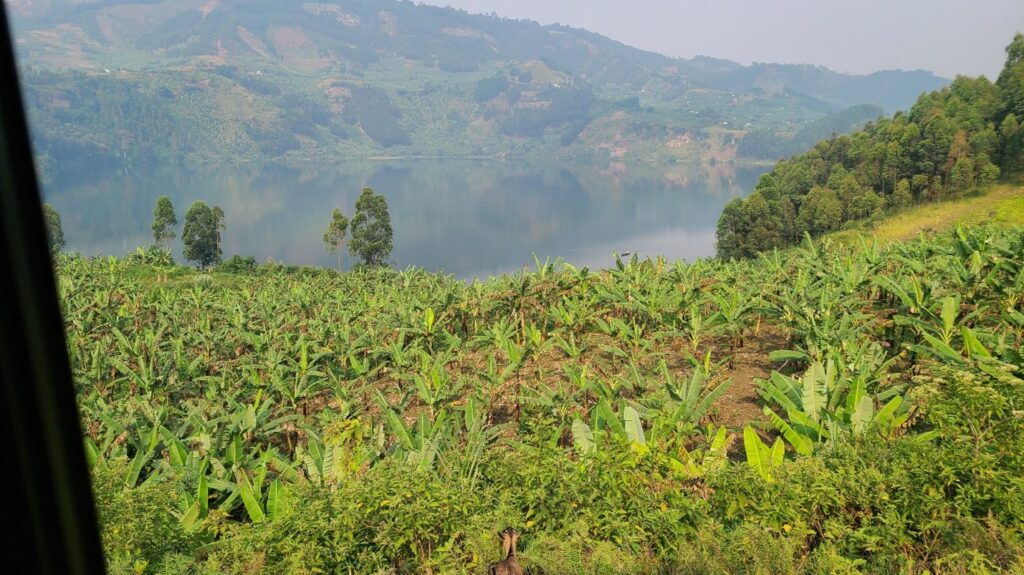
Many of lakes on the beautiful road to Bwindi
The drive from Queen Elizabeth National Park was beautiful: the Virunga Mountains in the background, terraces of tea plantations, and quite a few lakes scattered around. The distance isn’t huge, but we already knew that Ugandan roads have a charming habit of inventing reasons not to be fast.
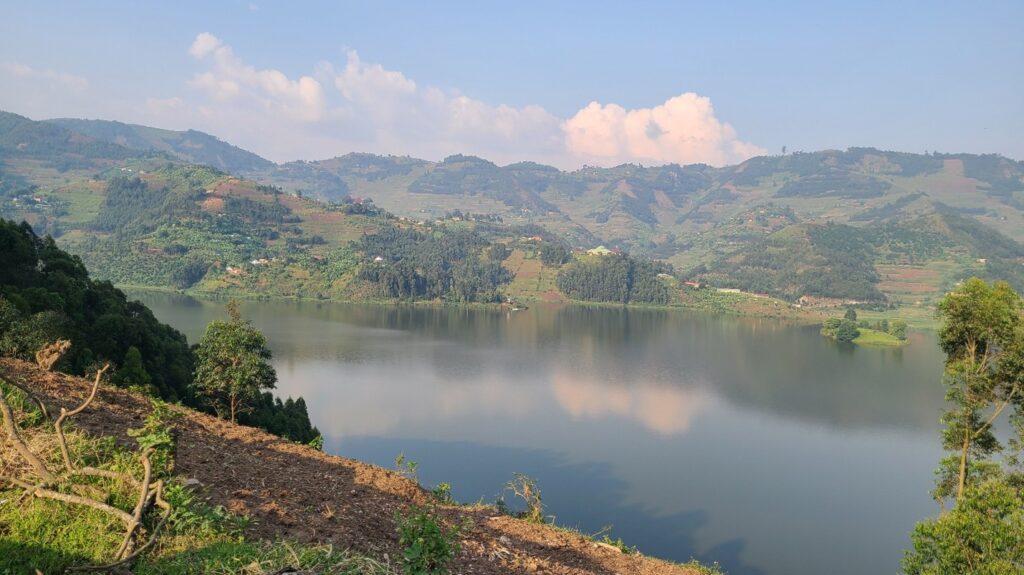
Yet another beautiful spot on the way to Bwindi
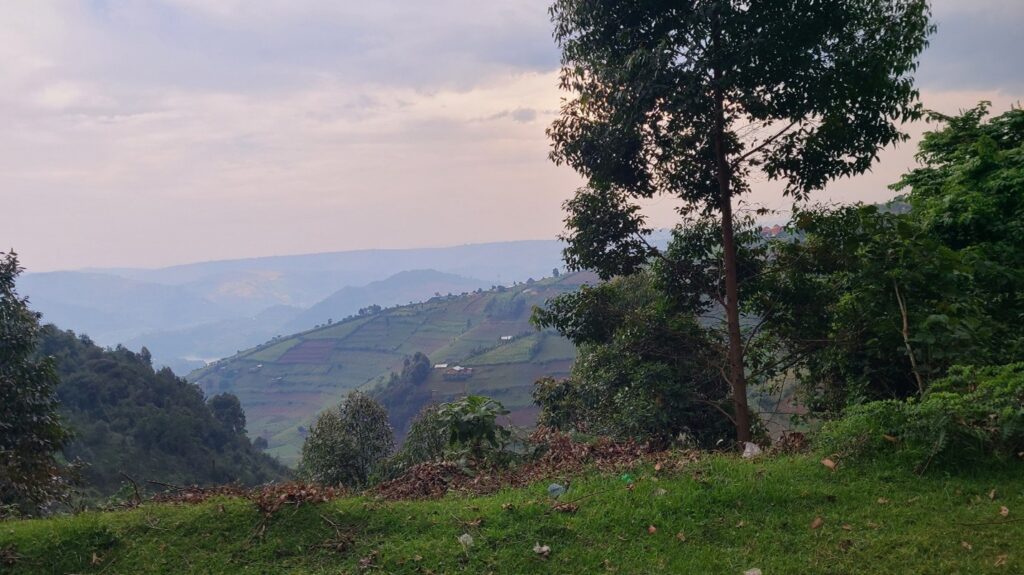
Lots of tea plantations on the way to Bwindi
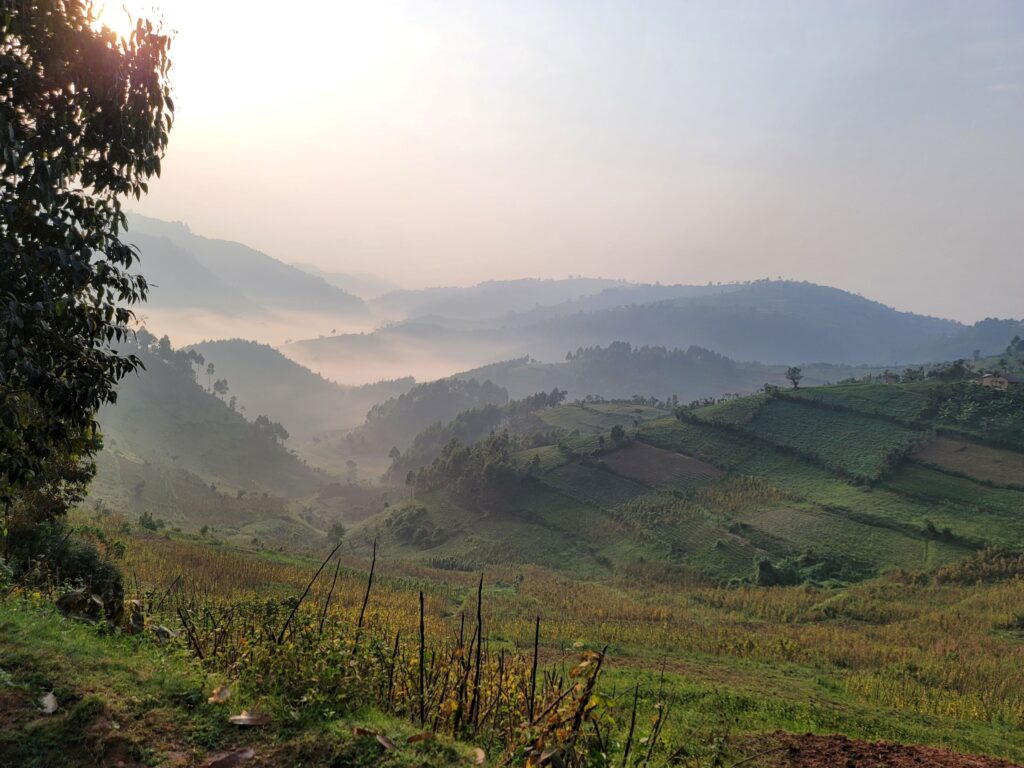
Morning mist over Bwindi
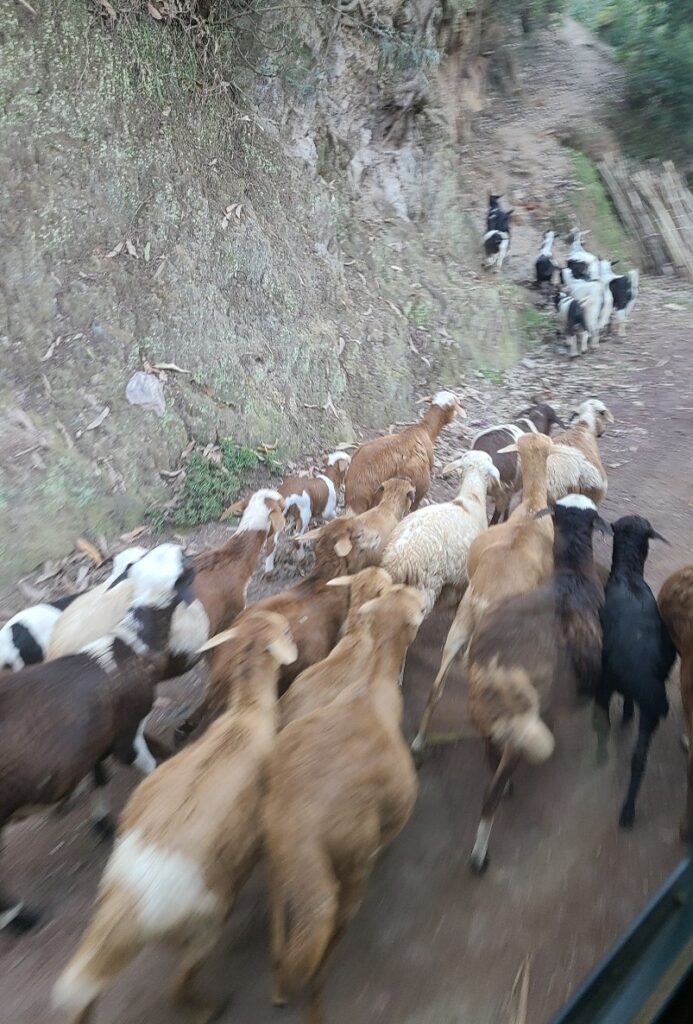
Ugandan roads have this charming habit of inventing reasons not to be fast…
Gorilla Doctors: Where Science Meets “Let Nature Do Its Thing”
After another 4.5‑hour drive, we arrived at the Gorilla Doctors Headquarters. A very patient doctor gave us a one‑hour presentation on their work—balancing medical intervention with letting Nature “do its thing,” which sounds noble until you remember that Nature’s thing often involves parasites, infections, and the occasional broken limb.
We learned that about half of the world’s mountain gorillas (roughly 500) live in Bwindi, and that it takes six years to habituate a gorilla family to humans. Six years. That’s almost as long as the average marriage in North America.
There are 24 habituated gorilla families, each visited once a day by one group for one hour. The rest of the time, they’re left in peace—unlike most celebrities.
Ichumbi Gorilla Lodge: A Masterclass in Mediocrity
I usually don’t mention places that are forgettable, but Ichumbi Gorilla Lodge deserves a special shoutout for redefining mediocrity.
The food was pompous and bad, the rooms were generously sized but not very clean, and the shower offered a thrilling game of “Will It Be Hot?” (Spoiler: it won’t).
The staff seemed to be practicing customer service as performance art—abstract, confusing, and mostly absent.
We chose it for its proximity to the park entrance, which is a bit like choosing a dentist based on parking availability. Just… don’t.
Bwindi Impenetrable National Park: Where the Name Isn’t Just Marketing
Despite the lodge, nothing could ruin the experience of seeing mountain gorillas in their natural habitat.
Bwindi is a UNESCO World Heritage Site located at 1,200–2,600 meters (4,000–8,500 feet), but at least for us, it didn’t mean our lungs had to file a complaint.
Gorillas aren’t territorial, but they do build nests and wander for food. Each morning, trackers locate the families and inform rangers of their whereabouts. Visitors are split into groups of eight, and depending on where your assigned family is, your hike can range from a breezy two hours to a six‑hour mud‑wrestling match with gravity.
We, being “vintage” travelers (read: not 22 and invincible), were assigned a relatively close group—just three hours round‑trip. Moderately fit and supported by a porter ($20 for the entire job), we managed fine.
Our porter didn’t carry much, but they were invaluable when the trail turned into a slip‑and‑slide. Hiring a porter is highly recommended—not just for your knees, but because it supports the local community.
Gorilla Tracking Rules: Common Sense Meets Jungle Bureaucracy
- Minimum age: 15. Probably because teenagers are famously respectful and quiet in nature.
- If you’re sick, you’re not supposed to go. They didn’t check, but better not to test them.
- Maintain a 7‑meter distance. This is a “guideline,” not a law—our photos show we were much closer.
- No flash photography. Gorillas don’t appreciate paparazzi.
- No sipping or snacking. Unless you’re cool with sharing… with someone who bench‑presses trees.
- No touching. Not that you’d dare.
What to Wear: Jungle Edition
Your clothes will get muddy. Accept it. Wear old stuff you won’t cry over.
Bright colors and military camouflage are banned—because nothing says “I’m harmless” like dressing like a mercenary.
Long pants, long sleeves, and gardening gloves are essential. Not for fashion, but for keeping your skin intact. The rainforest is full of branches that attack without warning and insects that treat your ankles like an all‑you‑can‑eat buffet.
Rain is inevitable, so bring a raincoat and waterproof pants. Sturdy trekking shoes are also recommended. Tuck your pants into your socks or, even better, wear gaiters unless you want to discover new species crawling up your legs.
And yes, you’re at the equator. Sunscreen, sunglasses, insect repellent, and a hat are your best friends.
Yes, yes, I know: not many photos here. Bwindi is “impenetrable,” remember? The next post delivers the drama, the mud, and the gorilla glamour shots. In the meantime, leave a comment so I know someone actually reads the informational chapters.
Highlights
- Scenic Drive to Bwindi – Virunga Mountains, tea terraces, and lakes—just don’t expect to get there fast.
- Gorilla Doctors Presentation – A crash course in primate medicine, parasites, and why “letting Nature do its thing” is a mixed blessing.
- Gorilla Habituation Facts – Six years to get gorillas used to humans.
- Ichumbi Gorilla Lodge – Spacious but cold rooms, poor service, and a shower that doubles as a guessing game. Not worth the experience.
- Bwindi Impenetrable National Park – UNESCO site with altitude, attitude, and gorillas who couldn’t care less about your cardio level.
- Gorilla Tracking Success – Not‑too‑difficult trek, mud, sweat, and porters who saved our knees and dignity.
- Close Encounter with Gorillas – Lounging, snacking, and ignoring us completely—celebrity behavior without the ego.
- What to Wear – Mud‑friendly gear, rain protection, and insect repellent.
← Previous: Part 5 Queen Elizabeth National Park: Close Encounters (Mainly) of the Furry Kind
Next: Part 7 A Family Gathering Where You’re the Awkward Cousin — and a Walking Safari for Dessert→